STUDIO APPOSITE

Research

Studio Apposite undertakes focused research on domestic space and residential form, concentrating on postwar modernism and its extensions into the 1990s. The work draws on primary sources, interviews, site visits, and documentary practices, producing sustained studies and working documents that address an under-studied period of regional domestic architecture. This research informs the publishing activity of Apposite Press.

Publications

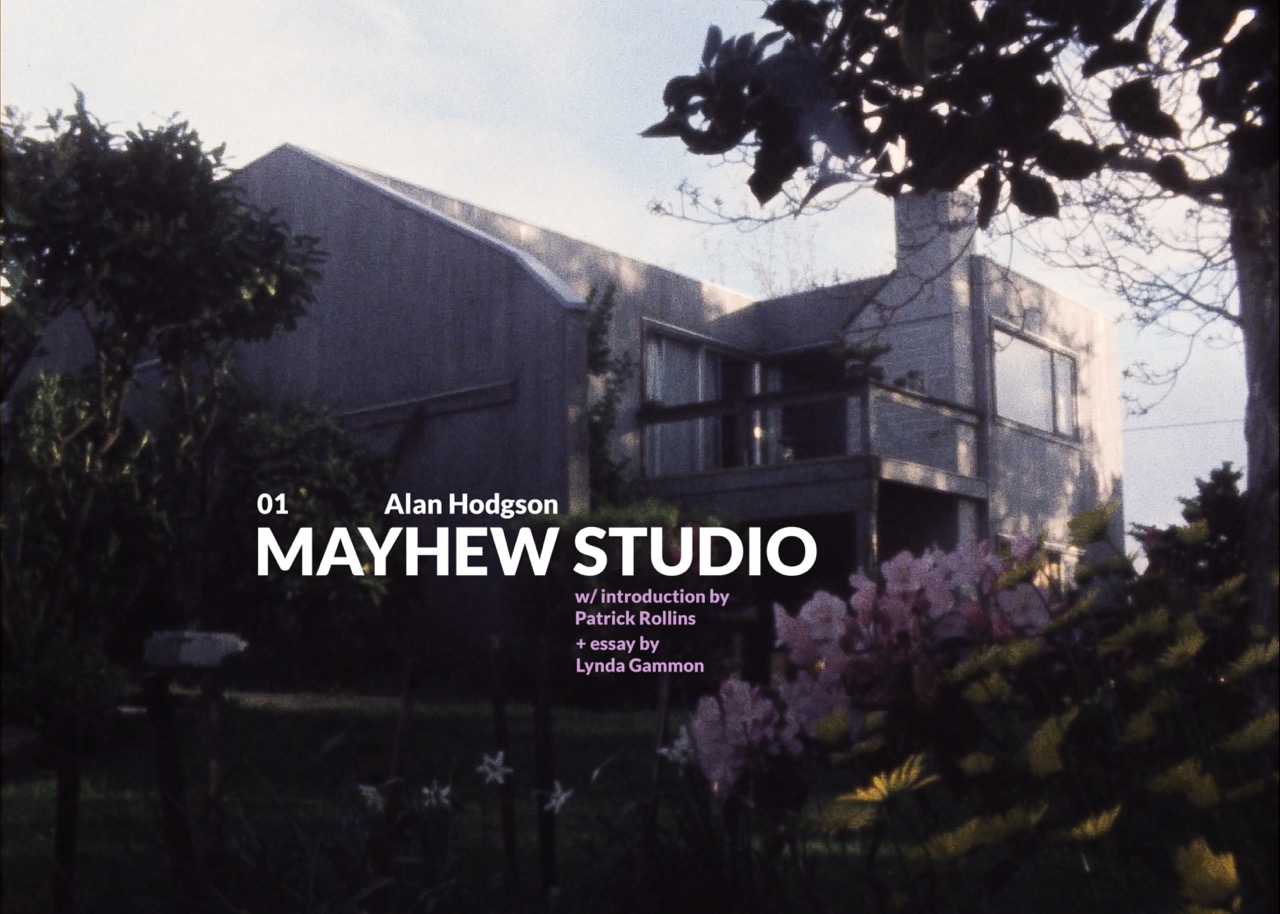
Mayhew Studio

Architect: Alan Hodgson. Introduction by Patrick Rollins. Essay by Lynda Gammon.

Hodgson's Mayhew Studio, 1969

Mayhew Studio is the first volume in a book series published by Apposite Press dedicated to domestic modernist architecture in Victoria and the surrounding Capital Regional District. It focuses on the collaboration between sculptor Elza Mayhew and architect Alan Hodgson in the design and construction of Mayhew’s studio at 330 St. Lawrence Street (1969). Conceived as both workplace and dwelling, the studio brings together sculptural and architectural thinking in a single, purpose-built environment.

The publication draws on newly digitized material from Hodgson’s personal slide collection, held at UVic Special Collections, alongside 16mm film stills from Karl Spreitz’s TIME-MARKERS: The Sculpture of Elza Mayhew (1985). The volume is introduced by Patrick Rollins and includes an essay by artist Lynda Gammon.

Status: In development. Spring 2026 release.

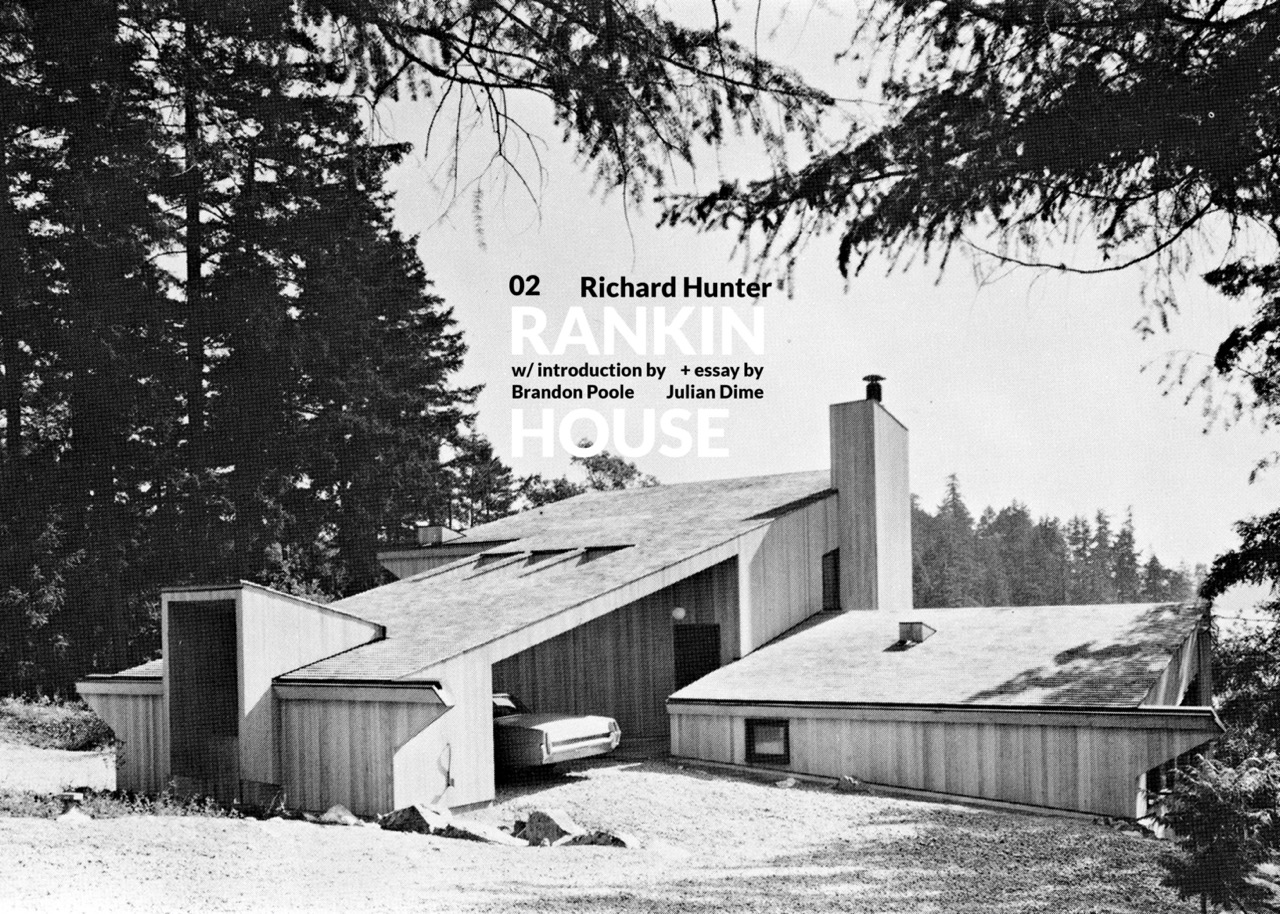
Rankin House

Architect: Richard Hunter. Introduction by Brandon Poole. Essay by Julian Dime.

Rankin House — publication documentation

Rankin House + Hunter House examines two closely linked early works by architect Richard Hunter: the Rankin House (1969) and the Hunter House (1973). Commissioned by Barbara Rankin as Hunter’s first built project in the region, the Rankin House preceded—and materially enabled—the construction of Hunter’s own house on a subdivided portion of the original property. Designed while Hunter was working with Siddall Denis Warner Architects, the two houses form a contiguous site through which his Victoria practice begins to take shape.

Read together, they trace a continuity of ideas around construction, economy, and authorship, informed by Hunter’s education at the Universities of Colorado and Oklahoma, his lineage from Bruce Goff, and his concept of “romantic economics,” in which budgetary constraint is addressed through direct owner participation in making and building. The publication brings together photographs by John Fulker, Hunter, and Shiv Garyali, with an introduction by Brandon Poole and an essay by filmmaker Julian Dime.

Status: Research + writing in progress.

Additional volumes in active research:

Cochrane House, Andrew Cochrane (1964)
Hodgson House, Alan Hodgson (1964)
Maurice House, Claude Maurice (1974)
Perch House, Patkau Architects (1983)
Fisher House, Roger Watson Smeeth (1996)

Exhibitions

an Exhibition of the Furniture of Peter Neve Cotton

Curated by Patrick Rollins, Wentworth Villa Architectural Heritage Museum. May 2026
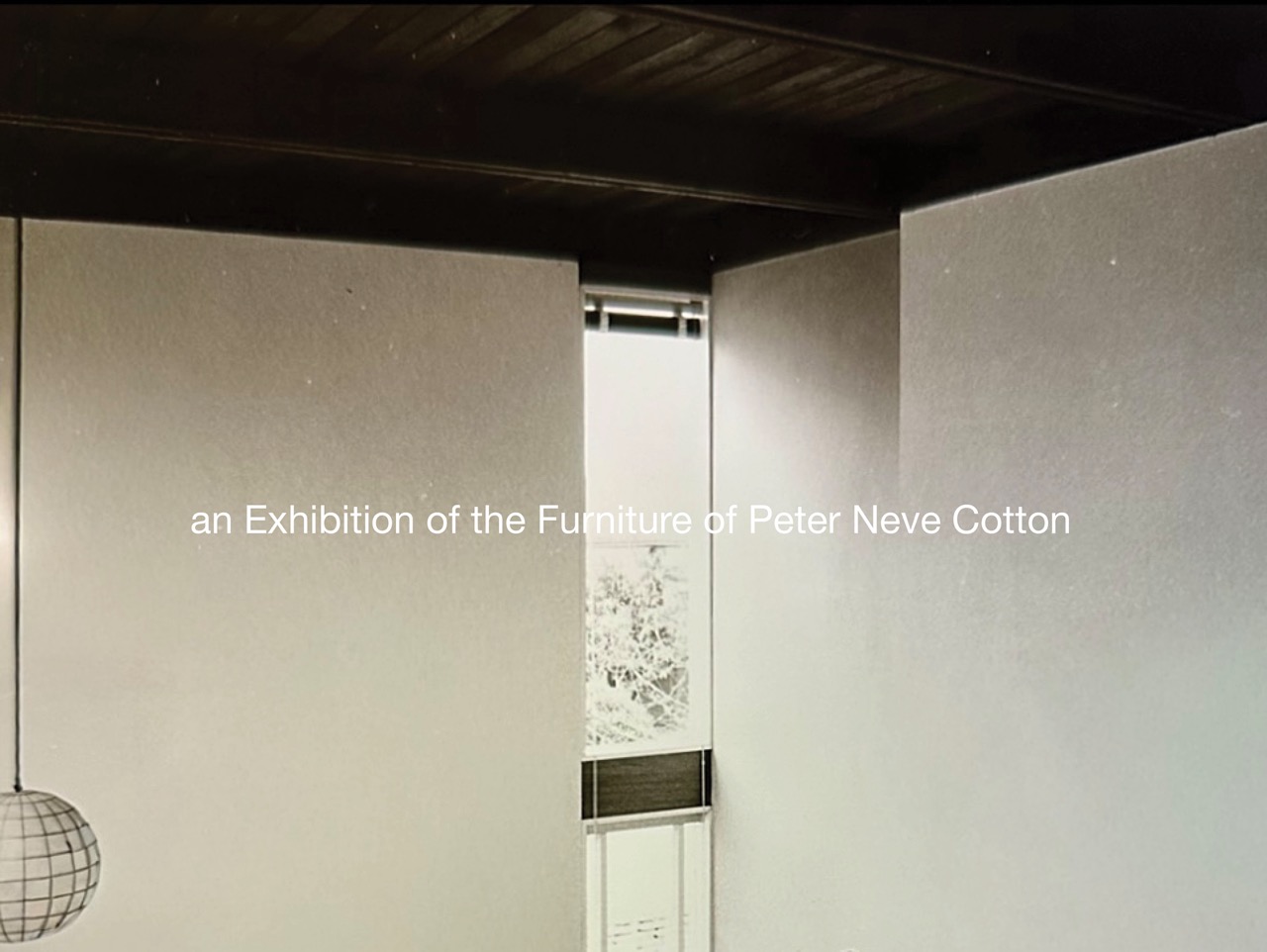
For Everyone a Room — installation image

Focusing on the furniture design and manufacturing practice of architect, architectural historian, and designer Peter Neve Cotton (1918–1978), the exhibition examines the Perpetua line and related domestic works as a sustained contribution to postwar West Coast design culture. Produced primarily in the early 1950s through his short-lived Perpetua Furniture enterprise, these works translate architectural thinking into furniture-scale production, balancing material economy, craft, and industrial ambition.

Drawing on archival documents and photographs from the UVic Maltwood Gallery, UBC Archives, and the BC Archives, alongside original drawings, blueprints, and examples or reproductions of Perpetua furniture, the exhibition situates Cotton’s work within the cultural and economic constraints of the postwar period, where experimentation in material, manufacture, and use remained closely tied to everyday domestic life.

Status: In Development. Opening May 2026
Newsletter

Occasional notes on publications, exhibitions, and related research.

    Contact

    © Studio Apposite · Victoria, BC